Ego Dissolution in High-Dose Psilocybin Journeys
- todd9540
- Sep 23, 2025
- 2 min read
One of the things that we track closely is the mechanics of the plant medicines that our facilitators work with. One question we often hear from individuals that we work with is their ability to change their perspective on trauma and other life events. When an individual can gain a new perspective and reintegrate that perspective back into their lives, a path to healing trauma emerges.
The ego is the part of our psyche that organizes our sense of self and helps us navigate the world. Psychologists like Freud and Jung described it as the structure that mediates between our inner drives, our moral framework, and external reality. From childhood, the ego develops rules and protective patterns based on lived experiences. For example, if a child grows up in a home where love is conditional or inconsistent, the ego may create beliefs such as “I am unlovable” and then work tirelessly to shield the person from situations that could reactivate that pain.
You can think of the ego as a kind of traffic cop—directing thoughts, feelings, and behaviors in ways that prioritize safety and avoid discomfort. While this protective role is useful, it can also become overly rigid. Past traumas and false beliefs can get locked into the system, limiting a person’s ability to grow, connect, and live fully.
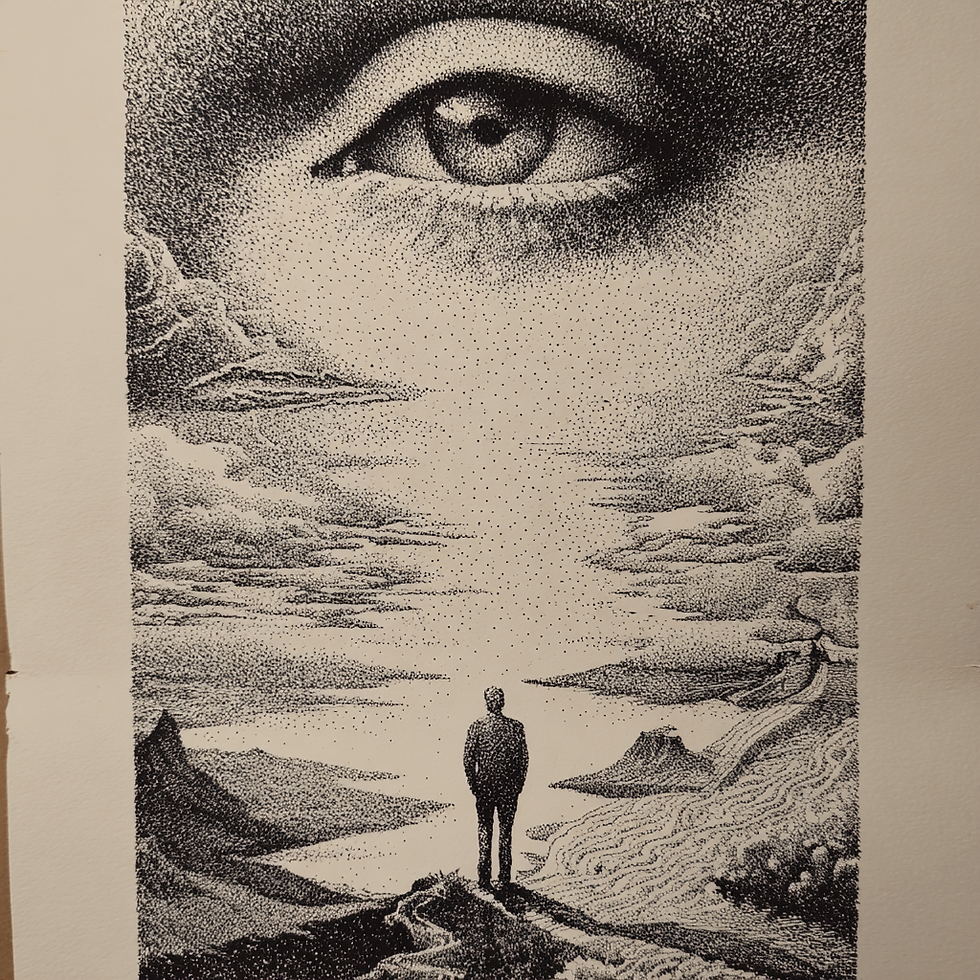
During a high-dose psilocybin experience (often above 20mg of pure psilocybin or equivalent), something remarkable can happen: ego dissolution. Unlike the phrase “ego death,” which suggests total destruction, ego dissolution is better understood as a temporary loosening of the ego’s grip. In this state, the protective traffic cop relaxes its control, allowing the mind to access memories, emotions, and perspectives normally kept out of view.
This shift creates space to:
Revisit past experiences from a new angle.
See that painful events were shaped by others’ imperfections, not by an inherent flaw in oneself.
Renegotiate the ego’s rules—replacing old defenses with healthier beliefs.
For instance, someone who once avoided deep relationships out of fear of being “unlovable” might, during ego dissolution, recognize that this belief stemmed from a parent’s shortcomings rather than their own worth. With this new perspective, the ego can be rewritten: instead of blocking intimacy, it can permit vulnerability and connection, leading to richer, more fulfilling relationships.
Importantly, not every psychedelic journey automatically brings about this kind of healing.
Set and setting, preparation, and integration are crucial. Intention helps guide the mind toward meaningful insights, while structured support ensures those insights translate into lasting change. This is one of the key differences between recreational use and therapeutic or ceremonial use—in the latter, ego dissolution is not just an experience but a doorway to growth.


Comments